
First responders sacrifice their own lives every day to help others on their worst day. Whether it’s an acute emergency to one or few people like a medical incident or accident, or a wide-scale emergency like wildfires or an active shooter, responders rely on mobile tools that increase situational awareness and expedite response.
Acute Emergencies
Recent data shows the vast majority of 911 calls — typically between 70% and 85% — relate to “person-centric” emergencies rather than public crimes or large-scale disasters. These include medical crises, domestic incidents, and welfare checks, which predominantly occur in residential settings.

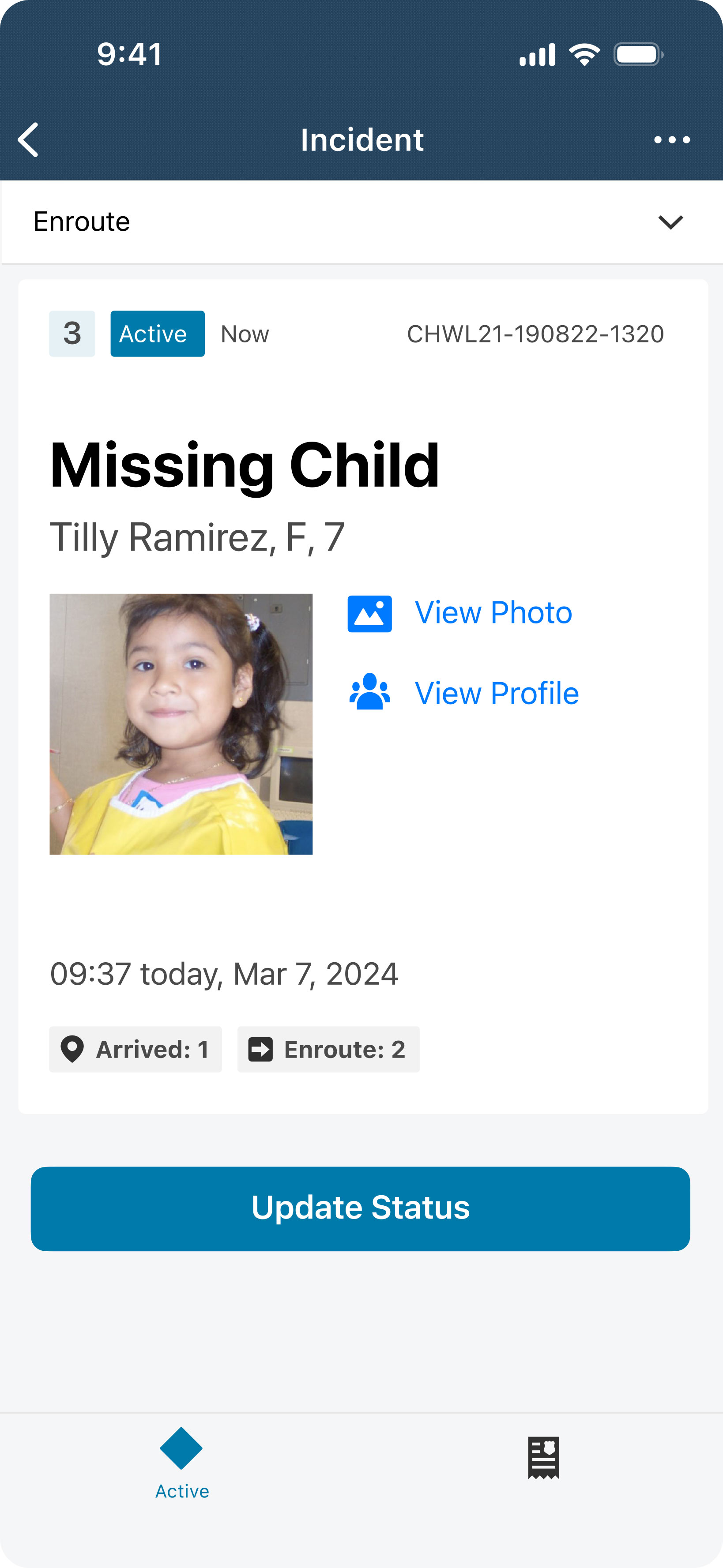

Fig 1. Map-based awareness shows the responder emergency location and Smart911 profile, leading to the knowledge of a missing child with autism.
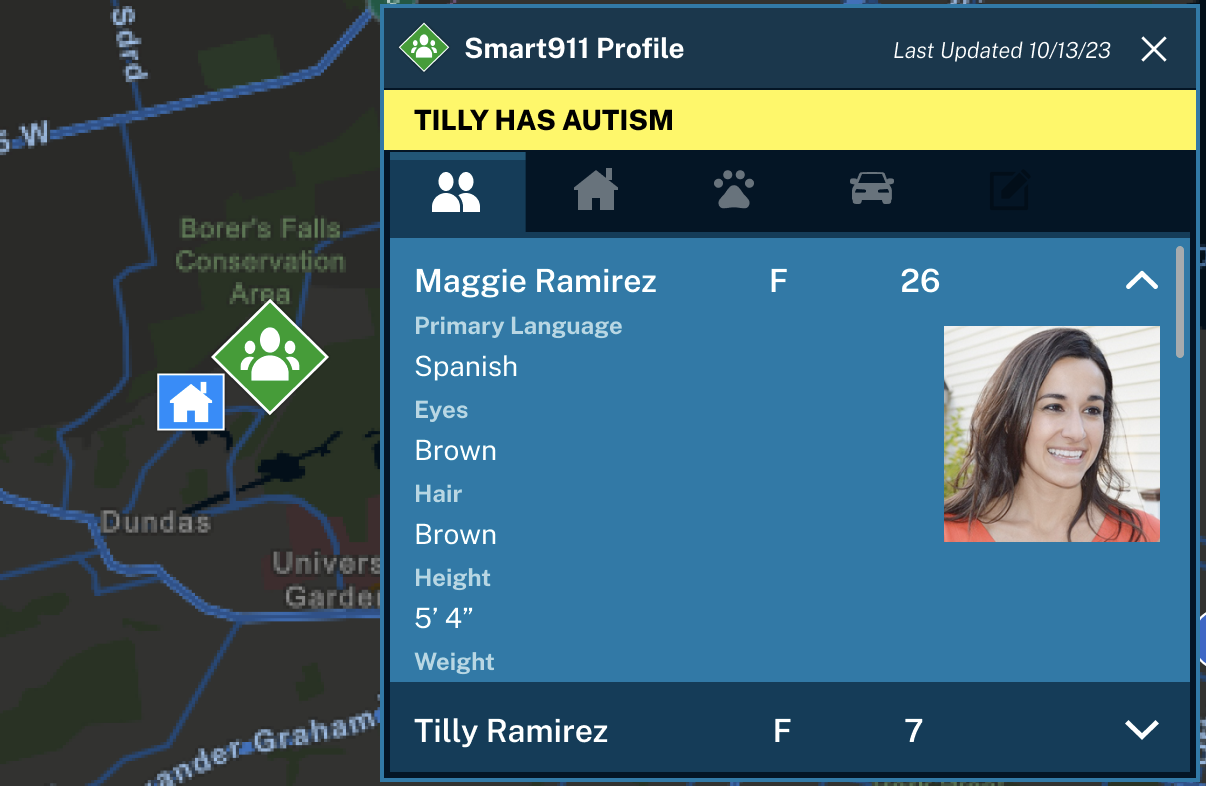
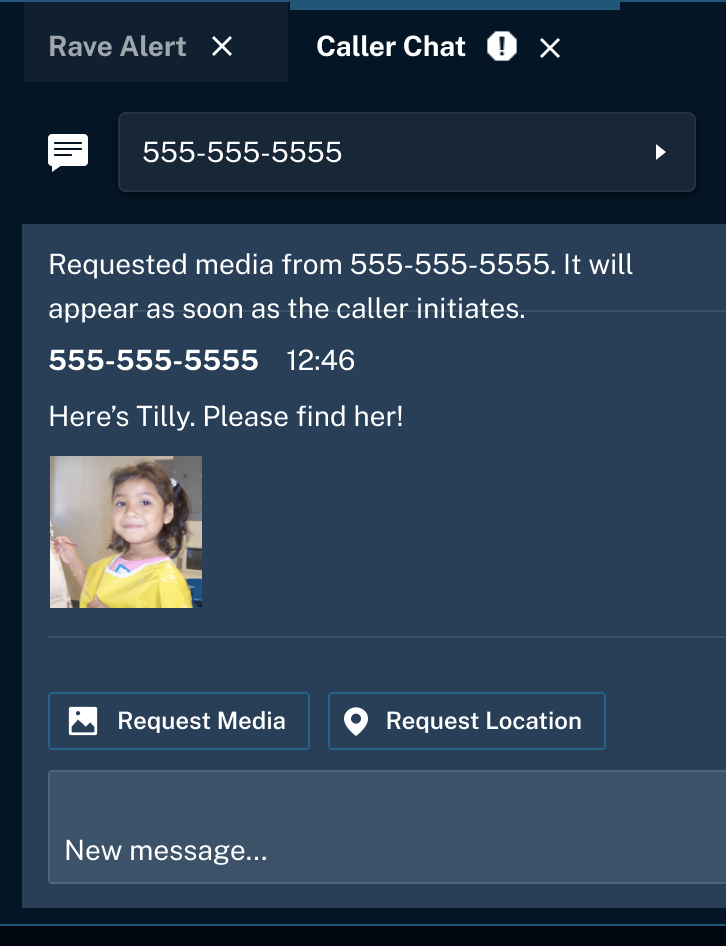
Fig 2. Meanwhile, the 911 center is able to see profile information about the caller and her family members, clearly seeing that the missing child has autism and may wander. This will allow for informed, subsequent response measures to resolve the incident.
Large-scale Emergencies
Though less frequent, emergencies that involve multiple people and multiple premises require a lot more coordination, with considerations like facility details, floor plans, incident response allocation, and responder tasks all critically important to achieving the best outcomes.
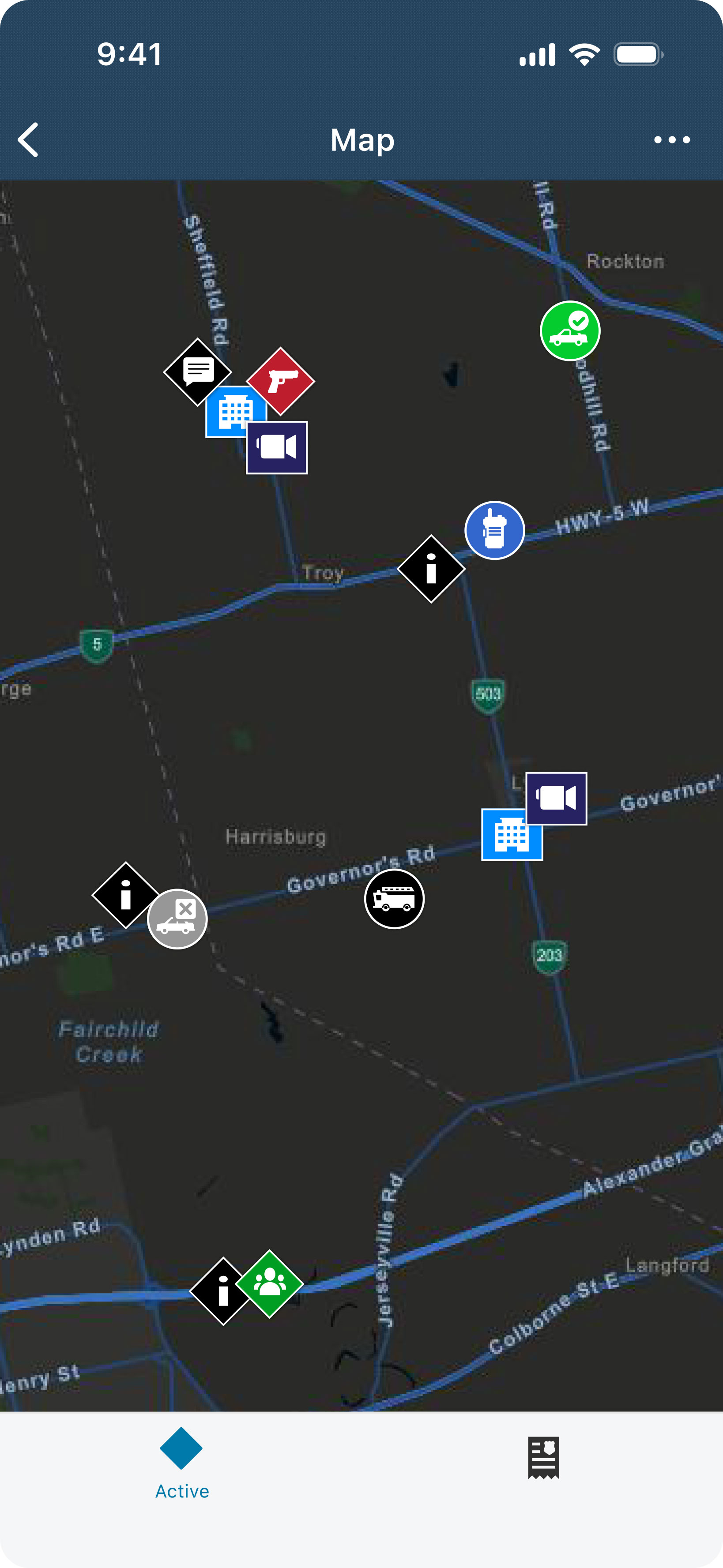
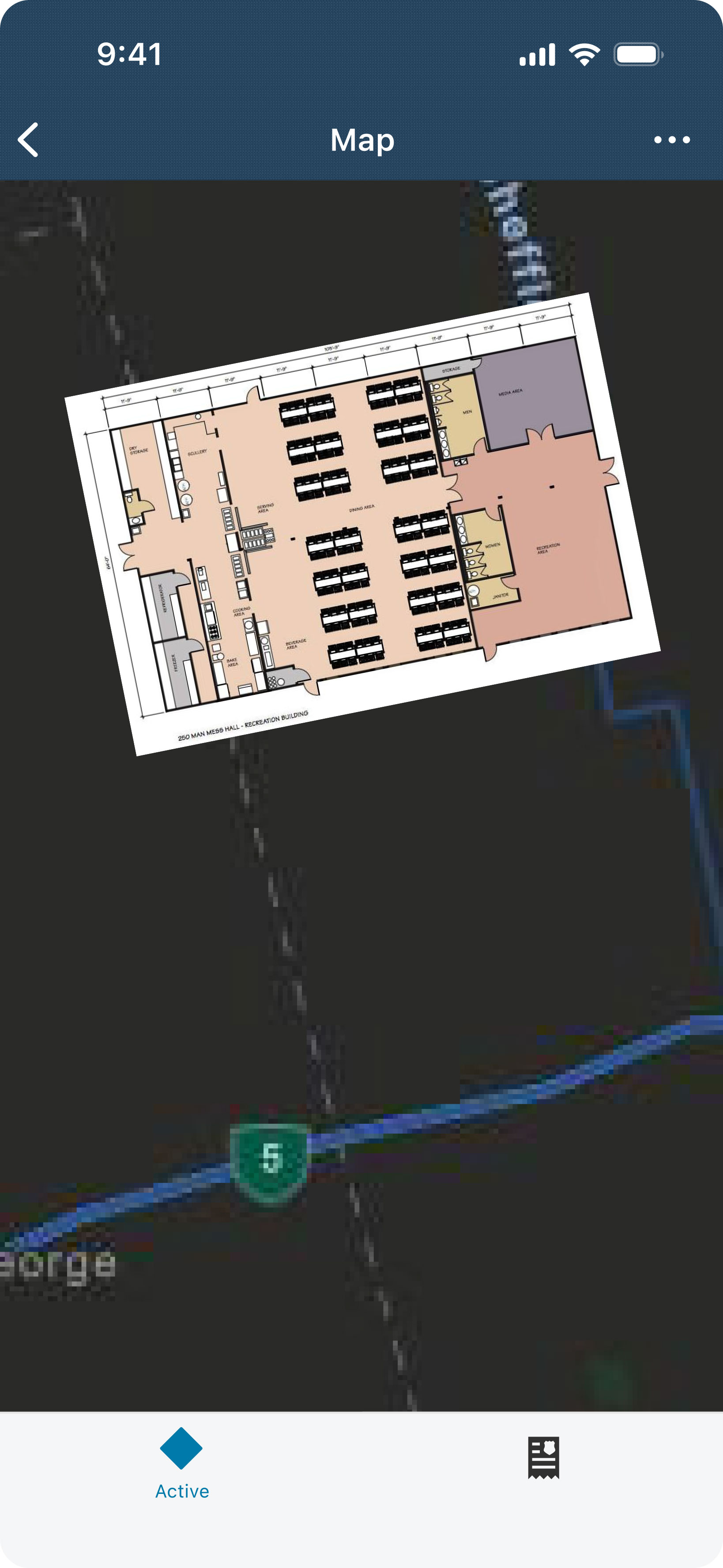


Fig 3. During an active shooter incident, responders have access to incident location, facility details, and the particular tasks they have been assigned during the incident.


 UXLERATION